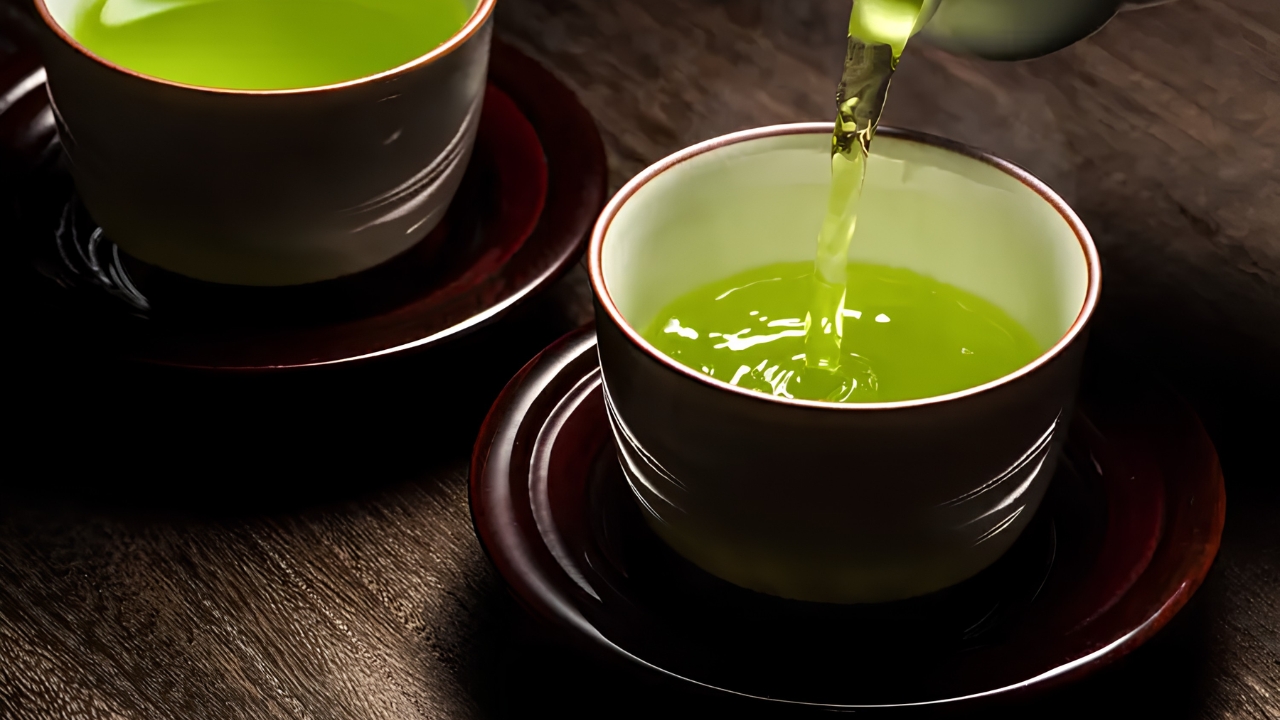
Green tea has been enjoyed for thousands of years and remains one of the most popular beverages around the world. Known for its refreshing taste and impressive nutritional profile, green tea has earned a reputation as a health-supporting drink that fits easily into a balanced lifestyle. From promoting heart health to supporting weight management, this ancient beverage offers a variety of potential benefits backed by its rich concentration of natural compounds.
Unlike many sugary drinks, green tea provides hydration while delivering antioxidants and plant-based nutrients that may help protect the body from daily stressors. Whether consumed hot or cold, it has become a favorite choice for people looking to make healthier dietary decisions.
Understanding the nutrition, uses, benefits, and possible side effects of green tea can help you decide whether it deserves a place in your daily routine.
What Is Green Tea?
Green tea comes from the leaves of the tea plant known as Camellia sinensis. Unlike black tea, which undergoes extensive oxidation during processing, green tea is minimally processed. This allows it to retain many of its natural antioxidants and beneficial compounds.
The leaves are harvested, quickly heated or steamed, and then dried to preserve their nutritional value. This gentle processing method helps maintain the characteristic green color and fresh flavor that distinguish green tea from other tea varieties.
Today, green tea is available in several forms, including loose leaves, tea bags, powdered preparations, and ready-to-drink beverages.
Nutritional Profile of Green Tea
One of the reasons green tea is so popular among health-conscious individuals is its low-calorie nature. A plain cup of brewed green tea contains very few calories while providing valuable plant compounds.
Green tea contains:
- Catechins
- Polyphenols
- Flavonoids
- Caffeine
- L-theanine
- Small amounts of minerals
- Antioxidants
The most studied catechin in green tea is epigallocatechin gallate, often referred to as EGCG. This powerful antioxidant is believed to be responsible for many of the beverage’s health-promoting properties.
Rich Source of Antioxidants
Antioxidants help protect the body’s cells from damage caused by free radicals. These unstable molecules are naturally produced during metabolism and can also result from environmental factors such as pollution, stress, and unhealthy lifestyle habits.
Green tea is packed with antioxidants, particularly catechins, which help neutralize free radicals and reduce oxidative stress.
Regular consumption of antioxidant-rich foods and beverages may contribute to long-term health by supporting the body’s natural defense systems and helping reduce cellular damage over time.
Supports Heart Health
Heart disease remains one of the leading causes of health complications worldwide. Diet plays a major role in maintaining cardiovascular wellness, and green tea may offer valuable support in this area.
Research suggests that green tea may help:
- Support healthy cholesterol levels
- Improve blood vessel function
- Promote healthy circulation
- Reduce oxidative stress affecting the cardiovascular system
The antioxidants found in green tea may help protect blood vessels and support overall heart health when combined with a nutritious diet and healthy lifestyle habits.
May Help with Weight Management
Green tea is often included in weight-management plans due to its potential role in supporting metabolism and fat utilization.
The combination of caffeine and catechins may help increase energy expenditure and encourage the body to use stored fat as a source of energy. While green tea alone is not a weight-loss solution, it may complement a healthy eating plan and regular exercise routine.
Many people choose green tea as a replacement for sugary beverages, which can also contribute to reducing overall calorie intake.
Supports Brain Function
Green tea contains caffeine, but generally in lower amounts than coffee. This moderate caffeine content can provide mental alertness without producing the intense stimulation that some people experience with stronger caffeinated beverages.
In addition to caffeine, green tea contains L-theanine, an amino acid that promotes relaxation and may help improve focus.
The combination of these compounds may support:
- Better concentration
- Enhanced attention
- Improved mental performance
- Increased alertness
Many individuals find that green tea offers a balanced feeling of calm energy throughout the day.
May Help Improve Mood
The presence of L-theanine contributes not only to concentration but also to emotional well-being. This naturally occurring amino acid may promote relaxation without causing drowsiness.
Drinking green tea can become a calming daily ritual that encourages mindfulness and stress reduction. The soothing experience of enjoying a warm cup may provide psychological comfort while supporting overall wellness.
Supports Healthy Blood Sugar Levels
Maintaining healthy blood sugar levels is important for long-term health. Some research suggests that green tea may help support normal glucose metabolism and insulin function.
Although green tea should not replace medical treatment, incorporating it into a balanced diet may contribute to healthier blood sugar management when combined with regular physical activity and proper nutrition.
Promotes Digestive Wellness
Green tea may offer certain digestive benefits when consumed in moderation. The antioxidants and plant compounds present in the beverage may help support a healthy digestive environment.
Many people enjoy green tea after meals because it provides a light and refreshing feeling. Its hydration benefits also contribute to overall digestive function.
However, individuals with sensitive stomachs may need to avoid drinking it on an empty stomach to prevent discomfort.
May Support Immune Function
A strong immune system relies on proper nutrition, hydration, sleep, and healthy lifestyle choices. Green tea contains antioxidants that may help support the body’s natural defense mechanisms.
The catechins present in green tea have been studied for their ability to help protect cells and support overall immune health. While it is not a cure for illness, regular consumption may contribute to a stronger foundation for wellness.
Supports Healthy Skin
Healthy skin reflects both external care and internal nutrition. The antioxidants found in green tea may help protect skin cells from environmental stressors and oxidative damage.
Some potential skin-supporting benefits include:
- Protection against free radical damage
- Support for skin elasticity
- Reduced appearance of dullness
- Improved overall skin health
Many skincare products also contain green tea extracts because of these beneficial properties.
May Contribute to Healthy Aging
Aging is a natural process influenced by genetics, lifestyle, and environmental factors. Oxidative stress is one factor believed to contribute to age-related cellular damage.
The antioxidant-rich profile of green tea may help support healthy aging by reducing oxidative stress and protecting cells from damage over time.
Combined with proper nutrition, exercise, and sleep, green tea can be part of a healthy lifestyle focused on long-term wellness.
Common Uses of Green Tea
Green tea is extremely versatile and can be enjoyed in many ways.
Popular uses include:
Traditional Hot Beverage
The most common method is brewing tea leaves or tea bags in hot water. This provides a simple and refreshing drink suitable for any time of day.
Iced Green Tea
Chilled green tea offers a refreshing alternative during warm weather while retaining many of its beneficial compounds.
Smoothies
Some people add brewed green tea or green tea powder to smoothies for added flavor and nutritional value.
Culinary Applications
Green tea powder can be used in recipes such as baked goods, desserts, yogurt, and energy snacks.
Daily Wellness Routine
Many individuals include green tea as part of their morning or afternoon routine to promote hydration and focus.
Best Time to Drink Green Tea
The ideal time to drink green tea depends on personal preference and tolerance to caffeine.
Common times include:
- Morning for increased alertness
- Mid-morning between meals
- Afternoon for a gentle energy boost
- Before exercise for additional focus
Some people prefer to avoid drinking green tea late in the evening because its caffeine content may interfere with sleep.
Possible Side Effects of Green Tea
Although green tea is generally considered safe for most healthy adults, excessive consumption may cause side effects in some individuals.
Caffeine-Related Effects
Green tea contains caffeine, which may cause:
- Nervousness
- Restlessness
- Increased heart rate
- Difficulty sleeping
- Anxiety in sensitive individuals
Those who are particularly sensitive to caffeine may need to limit intake.
Digestive Discomfort
Drinking green tea on an empty stomach may sometimes lead to:
- Nausea
- Stomach irritation
- Mild digestive discomfort
Consuming it with food can often reduce these effects.
Iron Absorption Concerns
Green tea contains compounds that may interfere with iron absorption when consumed alongside meals. Individuals with iron deficiency may wish to separate tea consumption from iron-rich meals.
Excessive Consumption Risks
Very large amounts of green tea or concentrated green tea supplements may place stress on the liver in rare cases. Moderation remains the best approach.
How Much Green Tea Is Considered Reasonable?
For most healthy adults, moderate consumption is generally considered safe. Many people enjoy two to four cups daily as part of a balanced diet.
The ideal amount varies depending on factors such as:
- Age
- Health status
- Caffeine sensitivity
- Medication use
Listening to your body and consuming green tea in moderation is the best strategy.
Final Verdict
Green tea is a nutrient-rich beverage that offers a variety of potential health benefits. Its antioxidants, catechins, caffeine, and L-theanine work together to support heart health, brain function, weight management, immune wellness, and healthy aging. In addition to its nutritional value, green tea is versatile, refreshing, and easy to incorporate into daily life. While generally safe for most people, moderation is important to avoid possible side effects related to caffeine and digestive sensitivity. As part of a balanced lifestyle, green tea can be a simple and enjoyable addition to long-term wellness.
Disclaimer
This article is intended for informational and educational purposes only and should not be considered medical advice. The health benefits and potential effects of green tea may vary from person to person. Always consult a qualified healthcare professional before making significant dietary changes, especially if you have existing medical conditions, are pregnant, nursing, or taking medications.