Leptin ELISA Kit Price Leptin ELISA kits have become indispensable tools in biomedical research, offering precise measurement of leptin levels in biological samples. These kits are widely used in metabolic studies, obesity research, endocrinology, and even cosmetic surgery contexts where hormonal balance plays a role in recovery and outcomes. This guide explores the pricing, applications, and benefits of leptin ELISA kits, while drawing a parallel to the structured approach of blepharoplasty guides organized, detailed, and practical.
Comparative Table of Leptin ELISA Kit Features
| Kit Price | Sample Types | Detection Range | Biomedical Applications |
|---|---|---|---|
| Affordable academic kits (USD 300–500) | Serum, plasma, cell culture supernatants | 0.1 ng/mL to 100 ng/mL | Obesity, diabetes, metabolic syndrome |
| Mid‑range commercial kits (USD 500–800) | Serum, plasma, tissue extracts | 0.5 ng/mL to 200 ng/mL | Endocrinology, cardiovascular research |
| Premium kits (USD 800–1200) | Serum, plasma, CSF, specialized fluids | 0.05 ng/mL to 150 ng/mL | Advanced clinical trials, cosmetic surgery recovery |
Understanding Leptin ELISA Kit Price
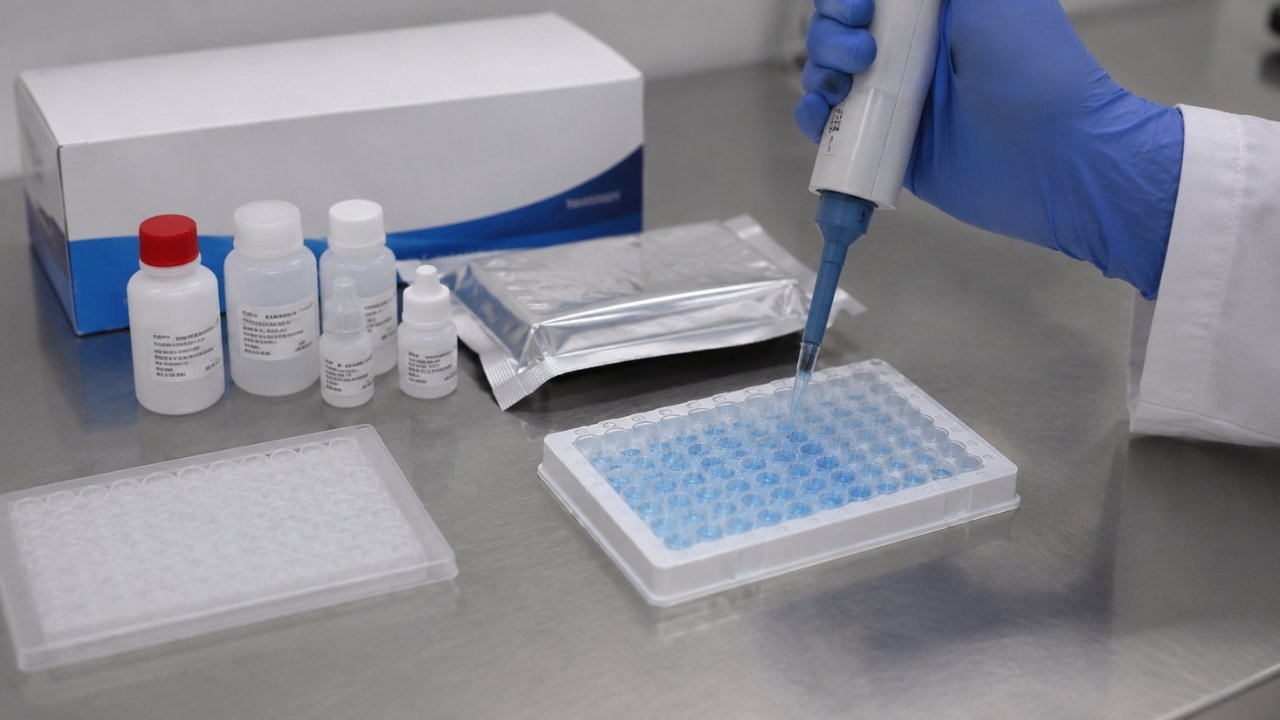
The price of a leptin ELISA kit depends on sensitivity, detection range, and brand reputation. Academic labs often choose cost‑effective kits, while clinical researchers prefer premium kits for higher accuracy. Pricing also reflects whether the kit includes ready‑to‑use reagents, calibration standards, and detailed protocols. In biomedical research, investing in a reliable kit ensures reproducibility and credibility of results.
Biomedical Applications of Leptin ELISA Kits
Leptin, a hormone secreted by adipose tissue, regulates appetite and energy expenditure. Measuring leptin levels provides insights into metabolic health. Applications include:
- Obesity research: Understanding leptin resistance in overweight individuals.
- Diabetes studies: Exploring correlations between leptin and insulin sensitivity.
- Cardiovascular health: Investigating leptin’s role in hypertension and atherosclerosis.
- Cosmetic surgery recovery: Monitoring hormonal balance post‑blepharoplasty or other procedures.
Research Benefits of Leptin ELISA Kits
The benefits of using leptin ELISA kits extend beyond basic measurement:
- Precision: High sensitivity ensures accurate detection of minute changes in leptin levels.
- Reproducibility: Standardized protocols minimize variability across experiments.
- Versatility: Applicable to multiple sample types, from serum to cerebrospinal fluid.
- Clinical relevance: Supports translational research bridging lab findings to patient care.
Blepharoplasty‑Style Guide Approach
Just as blepharoplasty guides emphasize step‑by‑step clarity, a structured approach to leptin ELISA kits ensures effective use:
- Preparation: Proper sample collection and storage.
- Execution: Following manufacturer protocols with precision.
- Analysis: Interpreting results in the context of metabolic pathways.
- Application: Translating findings into clinical or cosmetic outcomes.
Integration into Cosmetic and Clinical Research
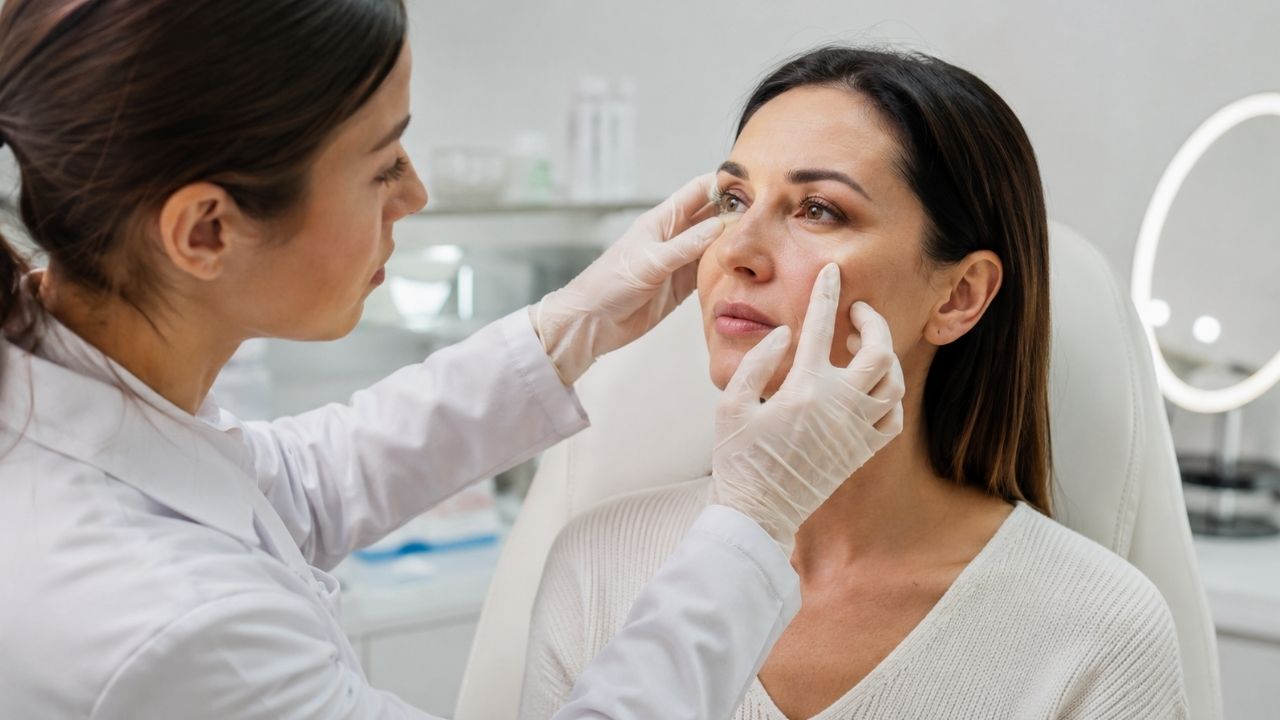
Leptin ELISA kits are increasingly relevant in cosmetic surgery research. Hormonal balance influences tissue healing, inflammation, and patient recovery. For blepharoplasty patients, monitoring leptin levels may provide insights into recovery speed and metabolic resilience. Clinical trials often integrate leptin measurements to evaluate systemic health before and after surgery.
Future Directions in Leptin Research
Emerging studies suggest leptin’s role in neurodegenerative diseases, reproductive health, and immune regulation. ELISA kits will continue to be central in these explorations. Researchers anticipate more advanced kits with multiplexing capabilities, allowing simultaneous measurement of leptin and related biomarkers.
Final Verdict
Leptin ELISA kits represent a cornerstone of biomedical research, offering affordability, precision, and versatility. Their applications span obesity, diabetes, cardiovascular health, and cosmetic surgery recovery. Much like a blepharoplasty guide, structured use of these kits ensures clarity, reproducibility, and meaningful outcomes. For researchers and clinicians, investing in the right kit is not just a purchase it is a commitment to scientific rigor and patient well‑being.
Disclaimer
This article is intended for educational and informational purposes only. It does not substitute professional medical advice, diagnosis, or treatment. Researchers and clinicians should consult manufacturer guidelines and institutional protocols before using leptin ELISA kits in practice.