Turning 40 is often a significant milestone in a woman’s life. It can bring greater confidence, wisdom, and personal growth. However, many women also notice changes in their bodies that make weight management more challenging than it was in their twenties or thirties. Clothes may fit differently, stubborn belly fat may appear, and losing even a few pounds can seem much harder than before.
These changes are not simply a matter of willpower. Natural shifts in hormones, metabolism, muscle mass, and lifestyle habits can all influence body weight after 40. The good news is that successful weight loss is still achievable. Instead of relying on extreme diets or unrealistic fitness plans, women over 40 can benefit from practical and sustainable strategies that support long-term health.
Understanding how the body changes with age and adopting healthy habits can make weight loss more manageable and rewarding.
Why Weight Loss Becomes More Difficult After 40
Many women become frustrated when methods that worked in the past no longer produce the same results. Several factors contribute to this challenge.
As people age, metabolism naturally slows down. This means the body burns fewer calories at rest than it once did. In addition, muscle mass tends to decline over time. Since muscle tissue burns more calories than fat tissue, losing muscle can further reduce daily calorie expenditure.
Hormonal changes also play an important role. Fluctuations in estrogen levels during perimenopause and menopause can affect fat distribution, appetite, and energy levels. Many women notice increased fat accumulation around the abdomen during this stage of life.
Busy schedules, work responsibilities, family obligations, stress, and reduced physical activity can also contribute to gradual weight gain.
Recognizing these factors helps create realistic expectations and more effective strategies.
Focus on Sustainable Weight Loss
One of the biggest mistakes women make is attempting rapid weight loss through highly restrictive diets. While these plans may produce short-term results, they are often difficult to maintain and can lead to muscle loss, nutritional deficiencies, and weight regain.
Sustainable weight loss focuses on creating healthy habits that can be maintained for years rather than weeks.
Gradual progress often leads to better long-term success. Even modest weight loss can improve energy levels, mobility, blood pressure, and overall health.
Prioritize Protein at Every Meal
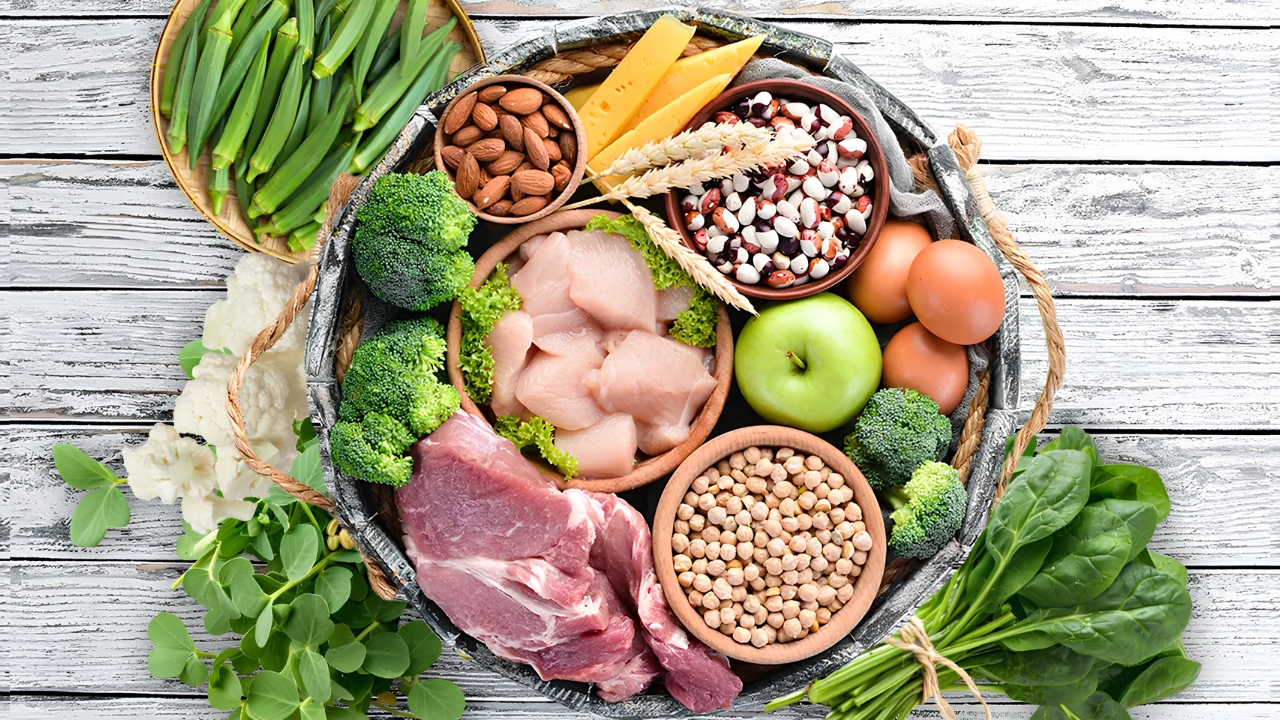
Protein becomes increasingly important after age 40. It helps preserve lean muscle mass, supports metabolism, and promotes feelings of fullness.
Many women consume less protein than their bodies need, especially during breakfast and lunch.
Good protein sources include:
- Eggs
- Fish
- Chicken
- Turkey
- Greek yogurt
- Cottage cheese
- Beans
- Lentils
- Tofu
- Nuts and seeds
Including protein in every meal can help control hunger and reduce unnecessary snacking throughout the day.
Build and Maintain Muscle Through Strength Training
Strength training is one of the most effective tools for women over 40 who want to lose weight.
Many people associate exercise primarily with burning calories, but strength training offers additional benefits. It helps preserve and build muscle tissue, which supports a healthy metabolism.
Benefits of strength training include:
- Increased calorie burning
- Improved body composition
- Better bone health
- Enhanced strength and mobility
- Improved balance and posture
Exercises may include bodyweight movements, resistance bands, free weights, or gym machines. Even two to three sessions per week can produce noticeable improvements over time.
Do Not Fear Healthy Fats
For years, many women were taught that fat should be avoided when trying to lose weight. In reality, healthy fats can support weight management and overall wellness.
Healthy fats help promote satiety and may reduce cravings between meals.
Nutritious sources include:
- Avocados
- Olive oil
- Nuts
- Seeds
- Fatty fish
The key is moderation. Healthy fats are calorie-dense, but they provide important nutrients and can make meals more satisfying.
Increase Fiber Intake
Fiber is another important nutrient for successful weight loss.
Foods rich in fiber help slow digestion and promote fullness. They also support healthy digestion and stable blood sugar levels.
Excellent fiber sources include:
- Vegetables
- Fruits
- Whole grains
- Beans
- Lentils
- Chia seeds
- Flaxseeds
Many women find that increasing fiber intake naturally reduces overeating because meals become more filling.
Stay Hydrated Throughout the Day
Hydration is often overlooked when discussing weight loss. Drinking enough water supports numerous bodily functions, including digestion, metabolism, and appetite regulation.
Sometimes thirst is mistaken for hunger, leading people to consume unnecessary calories.
Simple hydration tips include:
- Drinking water upon waking
- Carrying a reusable water bottle
- Choosing water instead of sugary beverages
- Drinking water before meals
Proper hydration also helps maintain energy and physical performance.
Manage Stress Effectively
Chronic stress can make weight loss significantly more difficult.
When stress levels remain elevated, the body produces higher amounts of cortisol. This hormone may contribute to increased appetite, cravings, and abdominal fat storage.
Common sources of stress include:
- Work pressures
- Financial concerns
- Family responsibilities
- Health challenges
Healthy stress-management techniques include:
- Walking
- Meditation
- Deep breathing exercises
- Yoga
- Journaling
- Spending time outdoors
- Engaging in hobbies
Reducing stress can support both emotional well-being and weight-loss efforts.
Improve Sleep Quality
Sleep is often one of the most overlooked factors in weight management.
Poor sleep can affect hormones that regulate hunger and fullness. As a result, sleep deprivation may increase cravings for high-calorie foods and reduce motivation to exercise.
Women over 40 should aim for consistent, high-quality sleep whenever possible.
Helpful habits include:
- Maintaining a regular bedtime
- Limiting screen exposure before bed
- Keeping the bedroom cool and comfortable
- Reducing caffeine intake late in the day
Quality sleep supports metabolism, recovery, and appetite control.
Be Careful With Liquid Calories
Many beverages contain significant amounts of hidden calories and added sugars.
Examples include:
- Soft drinks
- Sweetened coffee drinks
- Energy drinks
- Sweet tea
- Some fruit juices
These beverages can contribute hundreds of extra calories without providing much satiety.
Replacing sugary drinks with water, herbal tea, or other low-calorie options can significantly reduce daily calorie intake.
Choose Whole Foods More Often
Whole foods are generally more filling and nutritious than heavily processed alternatives.
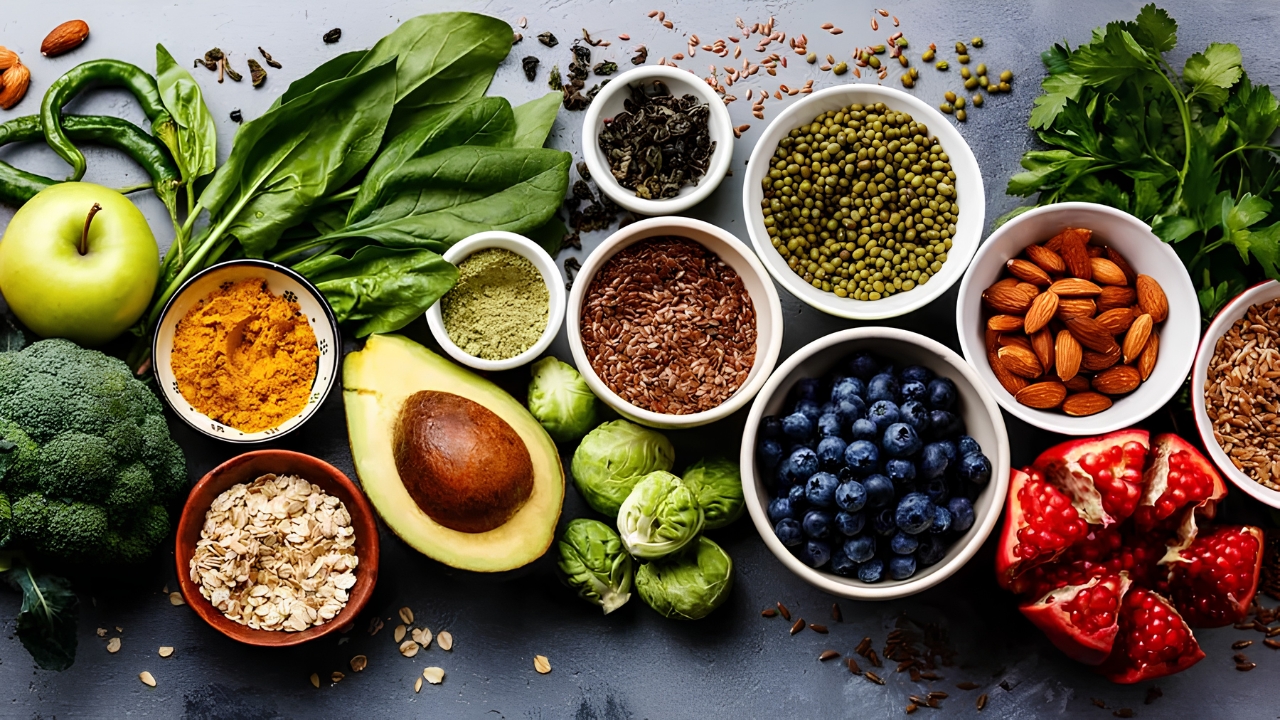
A balanced diet should focus on foods such as:
- Vegetables
- Fruits
- Lean proteins
- Whole grains
- Legumes
- Healthy fats
Processed foods often contain added sugars, refined carbohydrates, unhealthy fats, and excess sodium, which may contribute to weight gain.
Making whole foods the foundation of daily meals can improve both weight management and overall health.
Incorporate Regular Physical Activity
Exercise is an important part of a healthy lifestyle, but it does not need to be extreme.
The best exercise program is often the one that can be maintained consistently.
Beneficial activities include:
- Walking
- Cycling
- Swimming
- Dancing
- Hiking
- Strength training
- Group fitness classes
Daily movement supports calorie expenditure, cardiovascular health, and mental well-being.
Avoid the All-or-Nothing Mindset
Many women abandon their weight-loss efforts after a single indulgent meal or missed workout.
Perfection is not required for success.
Long-term results come from consistency rather than flawless behavior. Occasional treats and setbacks are a normal part of life.
Instead of viewing weight loss as a temporary project, it helps to see it as a long-term commitment to healthier habits.
Monitor Progress Beyond the Scale
The number on the scale tells only part of the story.
Other signs of progress may include:
- Increased energy
- Better sleep
- Improved fitness
- Reduced waist circumference
- Better mood
- Improved strength
- Healthier blood pressure levels
Tracking multiple indicators can provide motivation during periods when weight loss slows.
The Importance of Patience
Weight loss after 40 often occurs more gradually than it did earlier in life.
This slower pace can be frustrating, but it does not mean progress is impossible.
Healthy and sustainable weight loss usually involves small improvements repeated consistently over time. Building lasting habits creates a stronger foundation for long-term success than chasing quick results.
Patience allows women to focus on overall health rather than short-term fluctuations.
Creating a Lifestyle That Supports Success
Successful weight management is not about following a perfect diet. It involves creating a lifestyle that supports healthy choices most of the time.
Small daily actions can produce meaningful results over months and years.
Examples include:
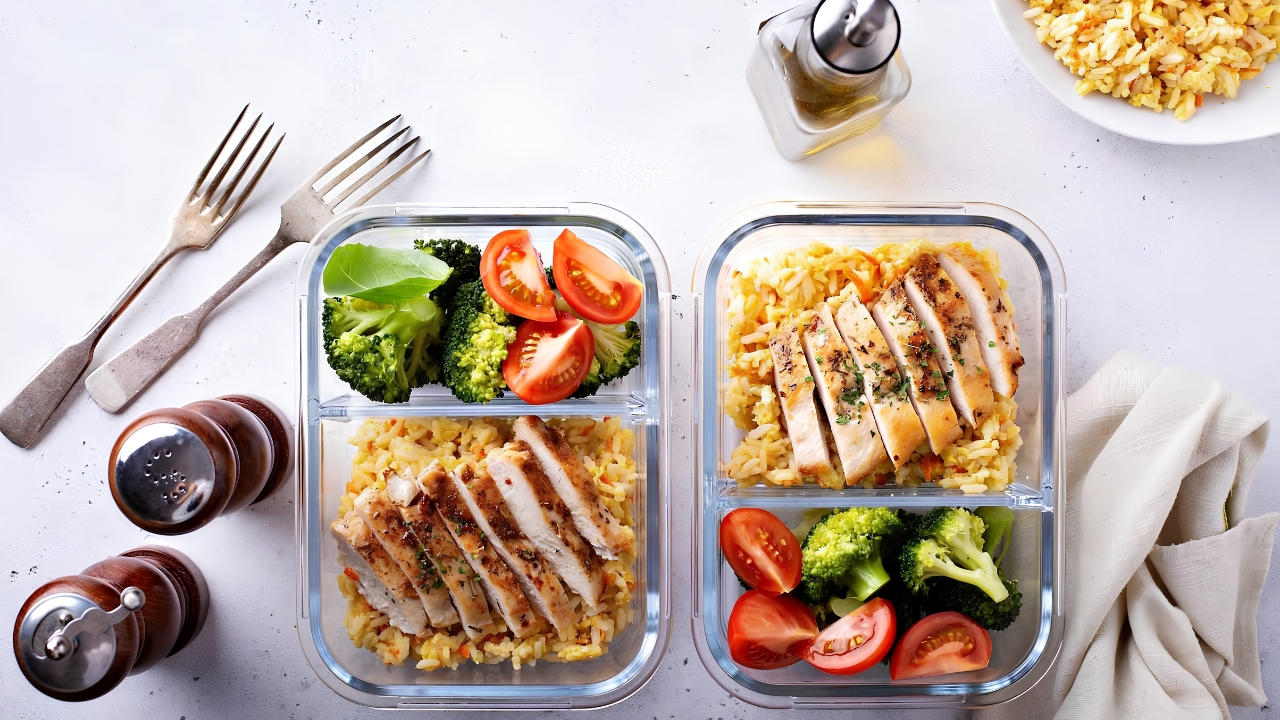
- Preparing meals at home
- Walking regularly
- Prioritizing sleep
- Managing stress
- Staying hydrated
- Choosing nutritious foods
- Maintaining strength-training routines
When combined, these habits can significantly improve both physical health and quality of life.
Final Verdict
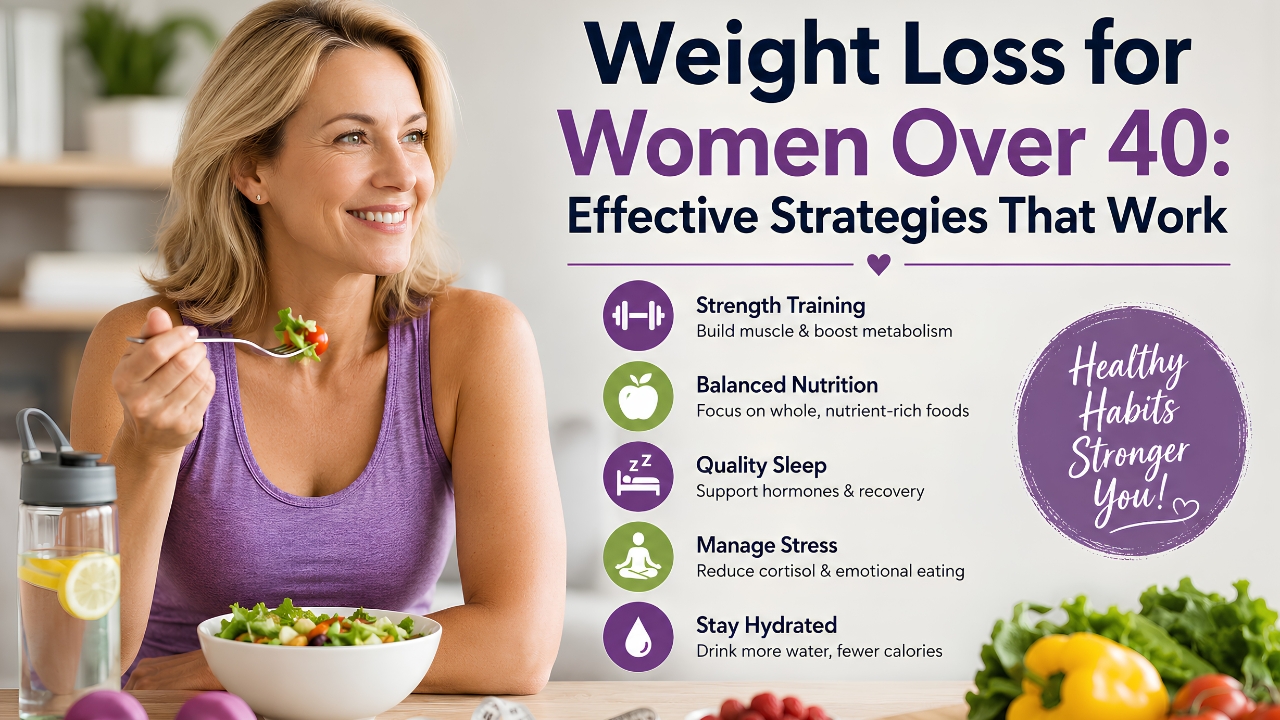
Weight loss for women over 40 may require a different approach than it did in earlier years, but it is absolutely achievable. Focusing on protein-rich meals, strength training, quality sleep, stress management, hydration, and whole foods can create a powerful foundation for success. Rather than relying on extreme diets or quick fixes, sustainable lifestyle changes offer the best path to lasting results. With consistency, patience, and realistic expectations, women over 40 can achieve a healthier weight while improving overall wellness and confidence.
Disclaimer
This article is intended for informational and educational purposes only and should not be considered medical advice. Individual weight-loss needs and health conditions vary. Always consult a qualified healthcare professional, registered dietitian, or medical provider before beginning any new diet, exercise, or weight-management program.