Losing weight is often associated with cutting calories, avoiding favorite foods, and following strict diets. However, successful and sustainable weight loss is usually built on smarter food choices rather than extreme restrictions. Among the nutrients that receive the most attention in weight management, protein stands out as one of the most valuable.
Protein plays a vital role in nearly every function of the body. It helps build and repair tissues, supports muscle growth, and contributes to overall health. More importantly for those trying to lose weight, protein can help control hunger, increase feelings of fullness, and preserve lean muscle mass during calorie reduction.
Choosing high-protein foods can make it easier to stick to a healthy eating plan while supporting long-term weight loss goals. Understanding which foods provide quality protein and how they contribute to weight management can help individuals make better dietary decisions.
Why Protein Matters for Weight Loss
Protein has unique characteristics that make it particularly useful for people trying to lose weight.
When compared to carbohydrates and fats, protein tends to be more satisfying. Meals rich in protein often help people feel full for longer periods, reducing the likelihood of frequent snacking or overeating.
Protein also requires more energy for digestion. The body burns calories while processing nutrients, and protein generally has a higher thermic effect than other macronutrients. This means the body uses slightly more energy to digest and metabolize protein-rich foods.
Additionally, adequate protein intake helps maintain muscle mass during weight loss. Preserving muscle is important because muscle tissue contributes to daily calorie expenditure and supports overall strength and fitness.
Eggs: A Nutrient-Dense Protein Source
Eggs are among the most versatile and affordable protein-rich foods available.
A single egg contains high-quality protein along with important vitamins and minerals. Eggs are especially beneficial because they provide all essential amino acids, making them a complete protein source.
Many people find that eating eggs for breakfast helps reduce hunger throughout the day. Whether boiled, scrambled, poached, or included in other meals, eggs can be a valuable addition to a weight-loss-friendly diet.
Chicken Breast: Lean and Filling
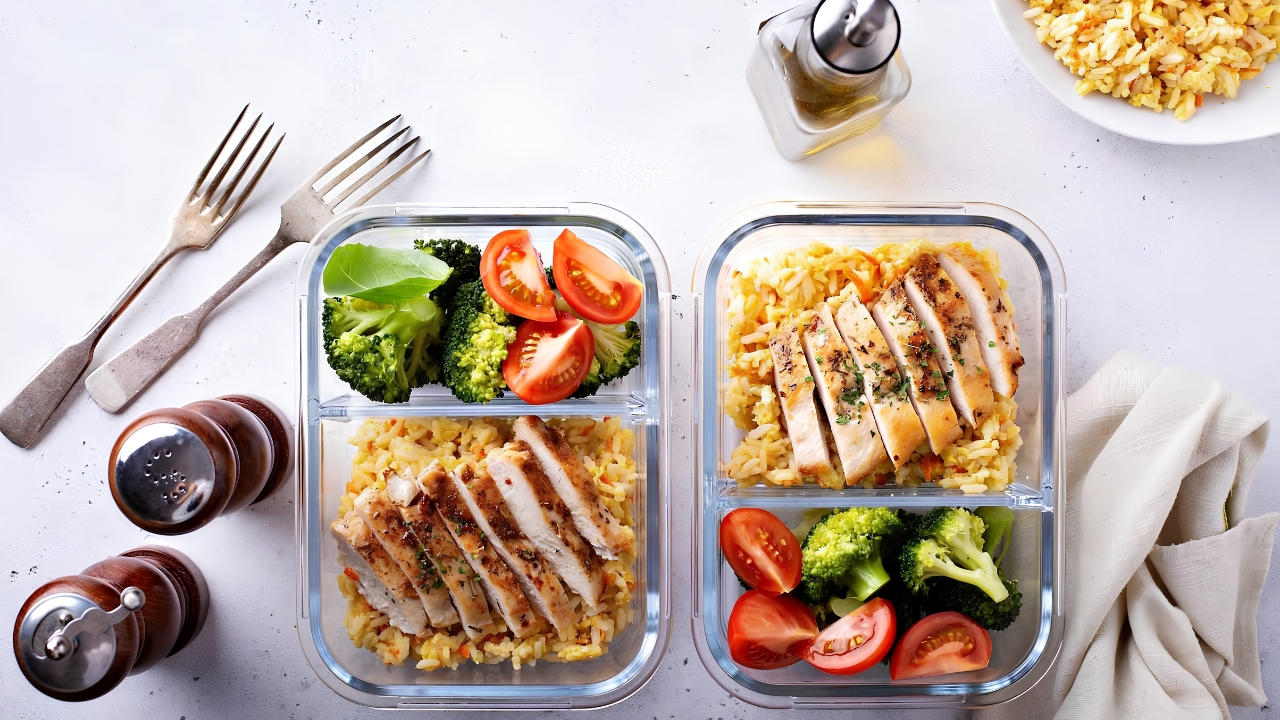
Chicken breast is one of the most popular protein choices for weight-conscious individuals.
It provides a substantial amount of protein with relatively little fat, making it a highly efficient option for those aiming to manage calorie intake. The high protein content supports satiety and helps maintain muscle during weight loss efforts.
Grilled, baked, roasted, or added to salads and soups, chicken breast can easily fit into various meal plans.
Fish: Protein with Additional Benefits
Fish offers high-quality protein while also supplying important nutrients.
Certain varieties, especially fatty fish, contain beneficial fats that support overall health. Fish is often lower in calories than many processed protein options while still providing excellent satiety.
Popular choices include salmon, tuna, sardines, trout, and mackerel. Regular consumption of fish can support both weight management and overall wellness.
Greek Yogurt: Creamy and Protein-Packed
Greek yogurt has become a favorite among health-conscious individuals due to its impressive protein content.
Compared with traditional yogurt, Greek yogurt typically contains more protein and has a thicker texture. Its rich consistency can make snacks and meals feel more satisfying.
Greek yogurt can be enjoyed on its own or combined with fruits, nuts, or seeds for a balanced snack that supports weight-loss goals.
Cottage Cheese: A Filling Snack Option
Cottage cheese is another dairy product known for its high protein content.
It provides a substantial amount of protein while remaining relatively low in calories. Many people appreciate cottage cheese because it promotes fullness and can be enjoyed at any time of day.
Whether eaten alone, paired with fruit, or used in recipes, cottage cheese can help support appetite control.
Lentils: Plant-Based Protein and Fiber
Lentils are an excellent protein source for individuals following vegetarian or plant-focused diets.
In addition to protein, lentils contain significant amounts of dietary fiber. The combination of protein and fiber helps create lasting fullness and may reduce overall calorie intake.
Lentils can be used in soups, stews, salads, and various main dishes, making them a versatile addition to healthy meal plans.
Beans: Nutritious and Satisfying
Beans provide a combination of protein, fiber, vitamins, and minerals.
Black beans, kidney beans, chickpeas, and navy beans are all nutritious options that can support weight management. Their fiber content slows digestion and contributes to prolonged satiety.
Including beans regularly may help reduce hunger between meals and support healthier eating habits.
Tofu: A Flexible Plant-Based Choice
Tofu is made from soybeans and serves as a popular protein source for vegetarians and vegans.
Its mild flavor allows it to absorb seasonings and sauces easily, making it suitable for a wide variety of recipes. Tofu contains quality protein while remaining relatively low in calories.
Because of its versatility, tofu can be incorporated into stir-fries, salads, soups, and many other dishes.
Turkey: Lean Protein for Weight Management
Turkey is another lean protein option that can help support weight loss goals.
It contains substantial amounts of protein while generally remaining lower in fat than some other meats. Turkey can contribute to feelings of fullness and help individuals maintain muscle during periods of calorie restriction.
Ground turkey, turkey breast, and homemade turkey dishes can all fit into a balanced eating plan.
Seafood Beyond Fish
Many types of seafood provide high-quality protein with relatively few calories.
Shrimp, crab, scallops, and lobster are examples of protein-rich seafood choices that can support weight management efforts. These foods often provide excellent nutrition while contributing to meal satisfaction.
When prepared with minimal added fats, seafood can be a healthy component of a calorie-conscious diet.
Nuts: Protein with Healthy Fats
Nuts contain protein along with healthy fats and important nutrients.
Almonds, pistachios, walnuts, and peanuts can help increase fullness when consumed in appropriate portions. Because nuts are calorie-dense, portion control remains important.
Despite their calorie content, nuts can be a beneficial snack option that helps reduce cravings and support healthy eating habits.
Seeds: Small but Powerful
Seeds offer a surprising amount of protein and nutrition in a compact package.
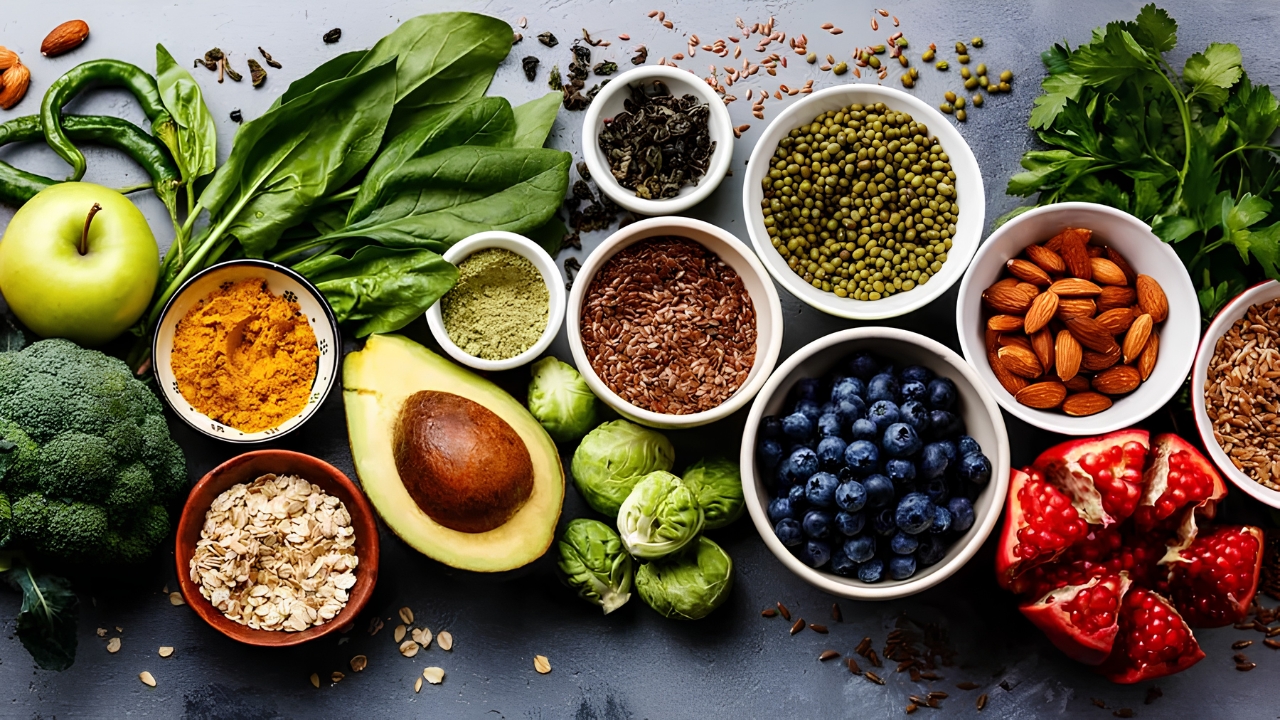
Chia seeds, pumpkin seeds, sunflower seeds, and hemp seeds provide protein, healthy fats, and fiber. These nutrients work together to promote satiety and support overall health.
Adding seeds to yogurt, smoothies, salads, or oatmeal can increase protein intake without requiring major dietary changes.
Lean Beef: Protein for Muscle Preservation
Lean cuts of beef can be included as part of a weight-loss-friendly eating plan.
Protein from lean beef helps preserve muscle mass during weight reduction efforts. It also contains important nutrients such as iron and vitamin B12.
Choosing leaner cuts and appropriate serving sizes can help balance nutritional benefits with calorie management.
Protein-Rich Whole Grains
Although grains are generally known for carbohydrates, some whole grains also provide meaningful amounts of protein.
Quinoa is one of the most notable examples. It contains all essential amino acids and serves as a complete protein source.
Other grains such as oats, farro, and buckwheat contribute both protein and fiber, making meals more satisfying.
The Importance of Combining Protein with Other Nutrients
While protein is important for weight loss, it should not be viewed as a standalone solution.
Balanced meals that include vegetables, fruits, healthy fats, and whole grains provide a wider range of nutrients needed for overall health. Combining protein with fiber-rich foods can enhance fullness and improve meal satisfaction.
A well-rounded approach helps create eating habits that are easier to maintain over the long term.
Common Mistakes When Increasing Protein Intake
Some individuals focus so heavily on protein that they overlook other important aspects of nutrition.
Common mistakes include:
- Ignoring fruits and vegetables
- Consuming excessive processed protein products
- Relying too heavily on supplements
- Neglecting hydration
- Eating large portions without considering overall calorie intake
A balanced approach remains the most effective strategy for sustainable weight management.
Practical Tips for Adding More Protein to Your Diet
Increasing protein intake does not require dramatic dietary changes.
Simple strategies include:
- Including protein at every meal
- Choosing Greek yogurt instead of sugary snacks
- Adding beans to salads and soups
- Using eggs as a breakfast staple
- Replacing processed snacks with nuts or seeds
- Selecting lean protein sources for lunch and dinner
- Preparing protein-rich snacks in advance
Small adjustments can gradually increase daily protein consumption and support weight-loss efforts.
Building Sustainable Weight Loss Habits
Long-term success depends on consistency rather than perfection.
Protein-rich foods can help make healthy eating more manageable by reducing hunger and supporting satisfaction after meals. When combined with regular physical activity, adequate sleep, stress management, and mindful eating practices, protein becomes a powerful tool for achieving and maintaining a healthy weight.
Rather than focusing on temporary diets, individuals should aim to develop eating patterns they can follow comfortably for years to come.
Final Verdict
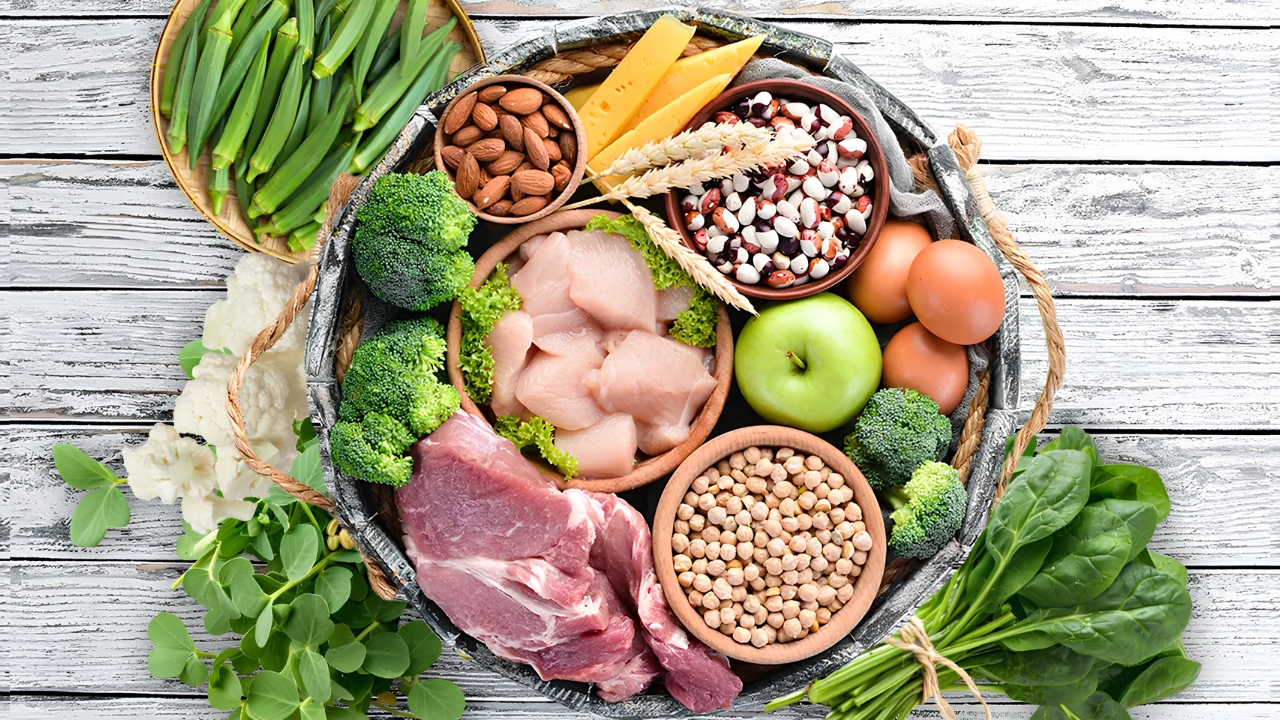
High-protein foods can play a valuable role in supporting weight loss goals by promoting fullness, reducing hunger, preserving muscle mass, and helping individuals maintain healthier eating habits. Foods such as eggs, chicken breast, fish, Greek yogurt, lentils, beans, tofu, turkey, nuts, seeds, and lean meats provide quality protein while contributing important nutrients. When combined with a balanced diet and active lifestyle, these protein-rich foods can make weight management more sustainable and effective over the long term.
Disclaimer
This article is intended for informational and educational purposes only and should not be considered medical or nutritional advice. Individual dietary needs vary based on age, health status, activity level, and personal goals. Consult a qualified healthcare provider or registered dietitian before making significant dietary changes or beginning a weight-loss program.