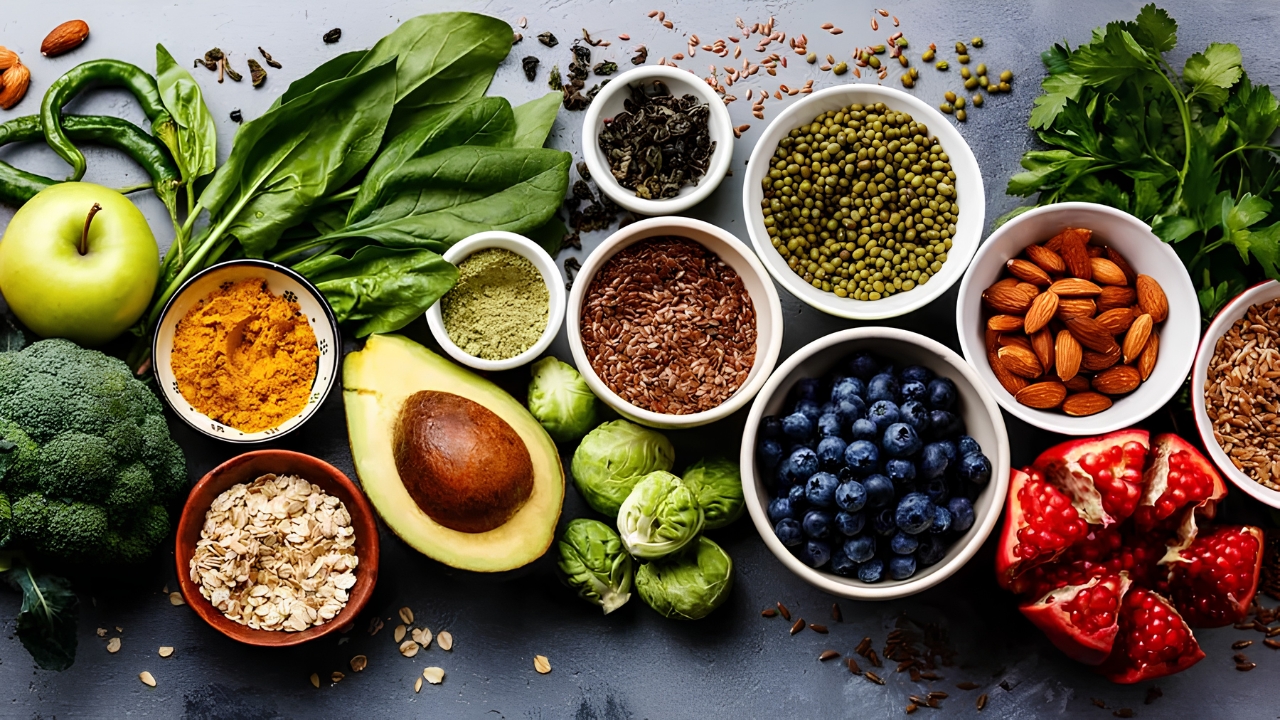
Losing weight is often associated with strict diets, complicated meal plans, and giving up favorite foods. However, sustainable weight loss is rarely about deprivation. Instead, it is about making smarter food choices that nourish the body, support metabolism, and help control hunger naturally. The foods you eat each day can have a significant impact on your ability to lose weight and maintain those results over time.
Healthy weight loss is not about finding a miracle food or following a temporary trend. It is about creating eating habits that you can maintain for months and years. Certain foods are especially beneficial because they provide essential nutrients, promote fullness, and help prevent overeating. By focusing on these foods, you can build a balanced diet that supports both your health and your weight-loss goals.
This article explores some of the best foods for weight loss and explains how they contribute to healthy and sustainable results.
Why Food Quality Matters for Weight Loss
Many people focus only on calorie counting when trying to lose weight. While calorie balance plays an important role, the quality of the calories consumed matters just as much.
Highly processed foods are often rich in sugar, unhealthy fats, and refined carbohydrates. These foods can increase hunger, trigger cravings, and make it difficult to maintain a healthy weight.
On the other hand, nutrient-dense foods provide vitamins, minerals, fiber, protein, and healthy fats that support overall health. They help keep you satisfied for longer periods and make it easier to maintain a calorie deficit without feeling constantly hungry.
Choosing the right foods can transform weight loss from a difficult challenge into a manageable lifestyle change.
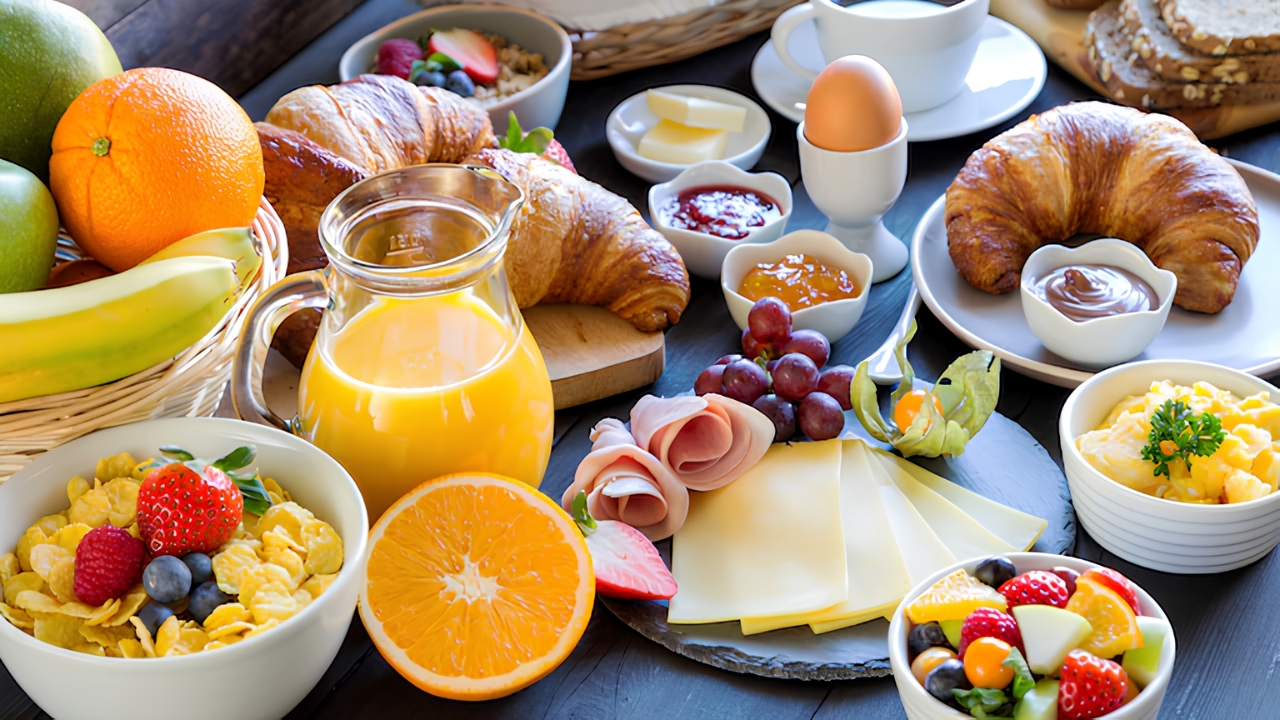
Eggs: A Protein-Packed Breakfast Choice
Eggs are among the most nutritious foods available and can be highly beneficial for weight loss.
They are rich in high-quality protein, which helps promote feelings of fullness and reduces hunger throughout the day. Starting the morning with eggs may help decrease calorie intake at later meals.
Eggs also contain important nutrients such as vitamin B12, selenium, and choline. Their versatility makes them easy to include in various meals, from breakfast omelets to healthy salads.
Leafy Green Vegetables
Leafy greens such as spinach, kale, lettuce, and arugula are excellent additions to a weight-loss diet.
These vegetables are:
- Low in calories
- High in fiber
- Rich in vitamins and minerals
- Filling without adding excessive calories
The fiber content helps slow digestion and increase satiety. Large portions can be enjoyed without significantly increasing calorie intake, making leafy greens ideal for healthy meal planning.
Oats for Lasting Fullness
Oats are a popular whole grain that can support healthy weight management.
They contain soluble fiber, which absorbs water and forms a gel-like substance in the digestive system. This process slows digestion and helps create a longer-lasting feeling of fullness.
Oats can also help stabilize energy levels and reduce the likelihood of unhealthy snacking between meals. A bowl of oatmeal topped with fruit can be a satisfying and nutritious start to the day.
Greek Yogurt and Other High-Protein Dairy Foods
Protein plays a critical role in weight loss, and Greek yogurt is one of the best protein-rich dairy options available.
Compared to regular yogurt, Greek yogurt contains more protein and often fewer carbohydrates. Protein helps preserve muscle mass during weight loss while promoting satiety.
Unsweetened varieties are particularly beneficial because they provide nutrition without excessive added sugars. Yogurt can be enjoyed alone or paired with fruits, nuts, and seeds.
Berries: Naturally Sweet and Nutrient-Rich
Berries such as strawberries, blueberries, raspberries, and blackberries are excellent fruits for weight loss.
They offer:
- High fiber content
- Natural sweetness
- Low calorie density
- Powerful antioxidants
Fiber slows digestion and helps control hunger. Their natural sweetness can also satisfy cravings for sugary treats while providing valuable nutrients.
Adding berries to breakfast, smoothies, or snacks can help support healthier eating habits.
Lean Chicken Breast
Chicken breast is one of the most popular weight-loss foods for good reason.
It is rich in protein while remaining relatively low in calories and fat. Protein requires more energy to digest than carbohydrates or fats and helps increase feelings of fullness.
Including lean chicken breast in meals may help reduce hunger and support muscle maintenance during weight loss.
Fish and Seafood
Fish provides high-quality protein along with valuable nutrients that support overall health.
Fatty fish such as salmon, sardines, and mackerel contain omega-3 fatty acids, which are known for their cardiovascular benefits.
Fish can be a satisfying alternative to processed meats and may contribute to healthier body composition when included in a balanced diet.
Beans and Legumes
Beans, lentils, chickpeas, and peas are often overlooked when discussing weight loss, but they offer significant benefits.
These foods provide:
- Plant-based protein
- Dietary fiber
- Essential minerals
- Long-lasting satiety
The combination of fiber and protein helps control appetite and maintain stable energy levels. Legumes are also versatile and affordable, making them a practical addition to many meal plans.
Apples and Pears
Whole fruits are generally beneficial for weight loss, but apples and pears deserve special attention due to their high fiber content.
Eating whole fruits rather than drinking fruit juice provides greater satiety because fiber remains intact. Apples and pears can help satisfy sweet cravings while supporting healthy digestion.
Their portability also makes them convenient snack options for busy lifestyles.
Avocados: Healthy Fats That Satisfy
Many people avoid avocados because they contain fat, but the type of fat matters.
Avocados are rich in heart-healthy monounsaturated fats that help promote fullness and satisfaction after meals. They also contain fiber, vitamins, and minerals.
When consumed in appropriate portions, avocados can support healthy eating habits and reduce the urge to snack excessively.
Nuts and Seeds
Nuts and seeds provide healthy fats, protein, and fiber, making them highly satisfying foods.
Examples include:
- Almonds
- Walnuts
- Pistachios
- Chia seeds
- Flaxseeds
- Pumpkin seeds
Because they are calorie-dense, portion control is important. However, moderate consumption may help reduce hunger and support weight management.
Cruciferous Vegetables
Vegetables such as broccoli, cauliflower, Brussels sprouts, and cabbage are excellent choices for weight loss.
They are low in calories while providing substantial amounts of fiber and nutrients. Their high volume helps fill the stomach without adding excessive calories.
Regular consumption of cruciferous vegetables may contribute to better appetite control and improved dietary quality.
Sweet Potatoes
Sweet potatoes are a nutritious carbohydrate source that can support healthy weight loss.
Unlike refined carbohydrates, sweet potatoes provide fiber and essential nutrients while helping maintain steady energy levels.
Their natural sweetness can satisfy cravings without the need for highly processed desserts or sugary snacks.
Watermelon and Other Water-Rich Fruits
Foods with high water content can help increase fullness while reducing overall calorie intake.
Watermelon, oranges, grapefruit, and cantaloupe contain large amounts of water along with vitamins and antioxidants.
These fruits provide refreshing, low-calorie options that can support hydration and appetite control.
Cottage Cheese
Cottage cheese is another excellent source of protein that fits well into a weight-loss diet.
Its high protein content promotes satiety and helps preserve lean muscle during calorie reduction.
Cottage cheese can be paired with fruits, vegetables, or herbs for a healthy and satisfying snack or meal.
Whole Grains Instead of Refined Carbohydrates
Whole grains offer more fiber and nutrients than refined grains.
Examples include:
- Brown rice
- Quinoa
- Barley
- Whole wheat
- Oats
These foods digest more slowly, helping control hunger and maintain stable blood sugar levels. Replacing refined carbohydrates with whole grains can improve dietary quality and support long-term weight management.
The Importance of Drinking Water
Although water is not technically a food, it plays an important role in weight loss.
Staying hydrated may:
- Help control appetite
- Improve digestion
- Support physical performance
- Reduce unnecessary snacking
Sometimes thirst is mistaken for hunger, leading people to consume extra calories. Drinking water regularly can help prevent this confusion.
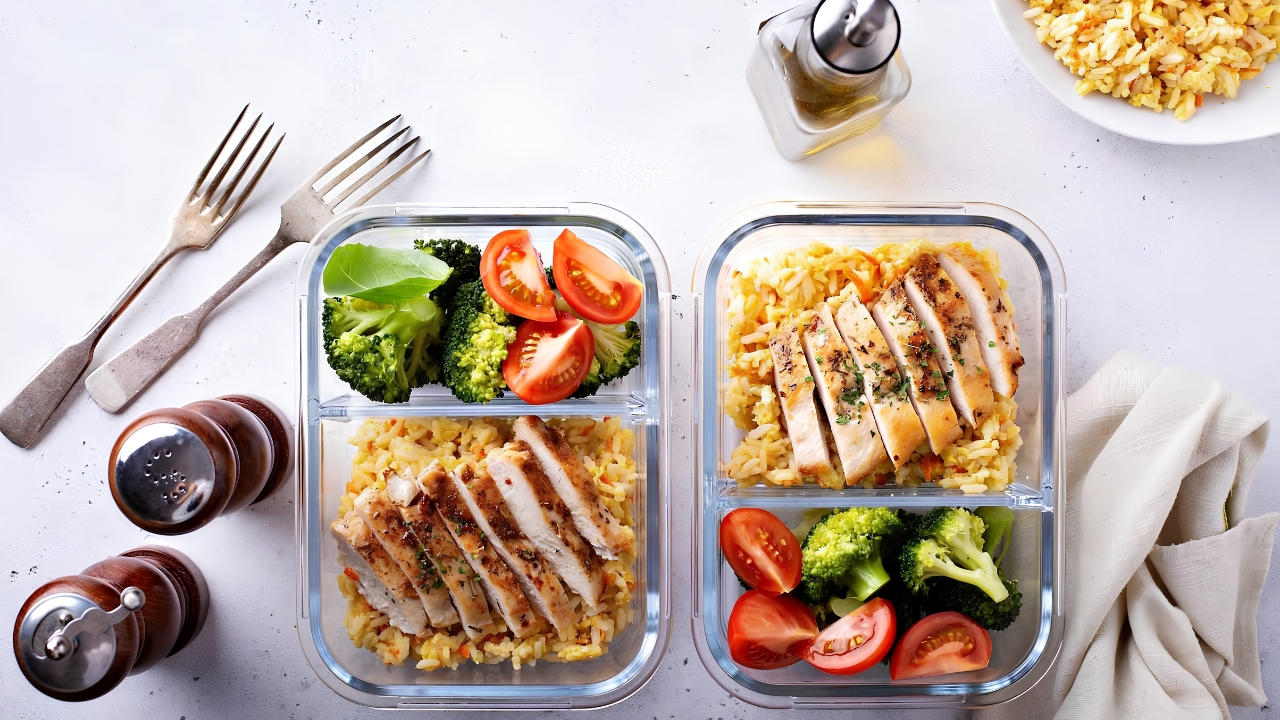
Building a Sustainable Weight-Loss Plate
Rather than focusing on individual foods alone, it is helpful to create balanced meals.
A healthy weight-loss plate often includes:
- A source of lean protein
- Plenty of vegetables
- Whole grains or healthy carbohydrates
- Healthy fats
- Adequate hydration
This combination provides nutrients, promotes fullness, and supports steady energy throughout the day.
Foods to Limit During Weight Loss
Successful weight loss is not only about what to eat but also what to limit.
Reducing consumption of the following foods may improve results:
- Sugary beverages
- Highly processed snacks
- Fast food
- Refined sweets
- Excessive fried foods
- High-sugar desserts
These foods often provide many calories while offering little nutritional value.
Creating Long-Term Success
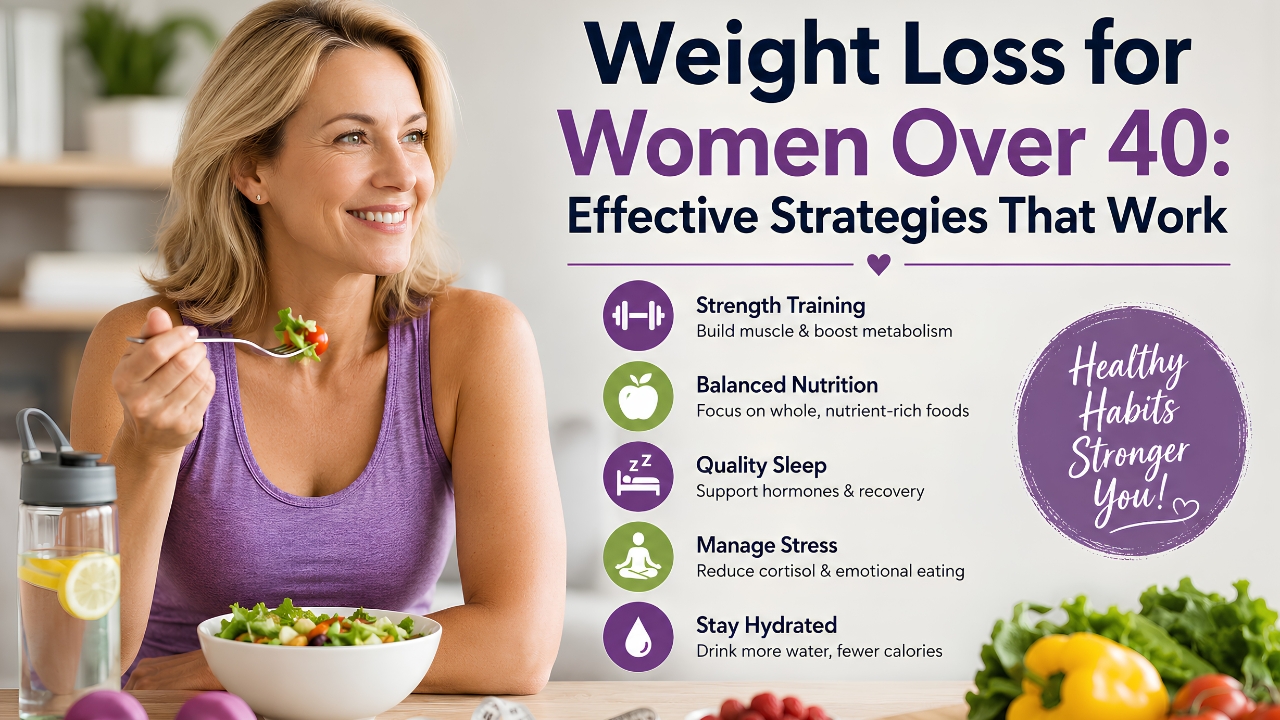
Sustainable weight loss is achieved through consistency rather than perfection. Small daily choices often have a greater impact than short-term extreme diets.
Focusing on nutrient-dense foods, maintaining regular physical activity, and developing healthy habits can help create lasting results.
The goal should not simply be losing weight but building a lifestyle that supports long-term health and well-being.
Final Verdict
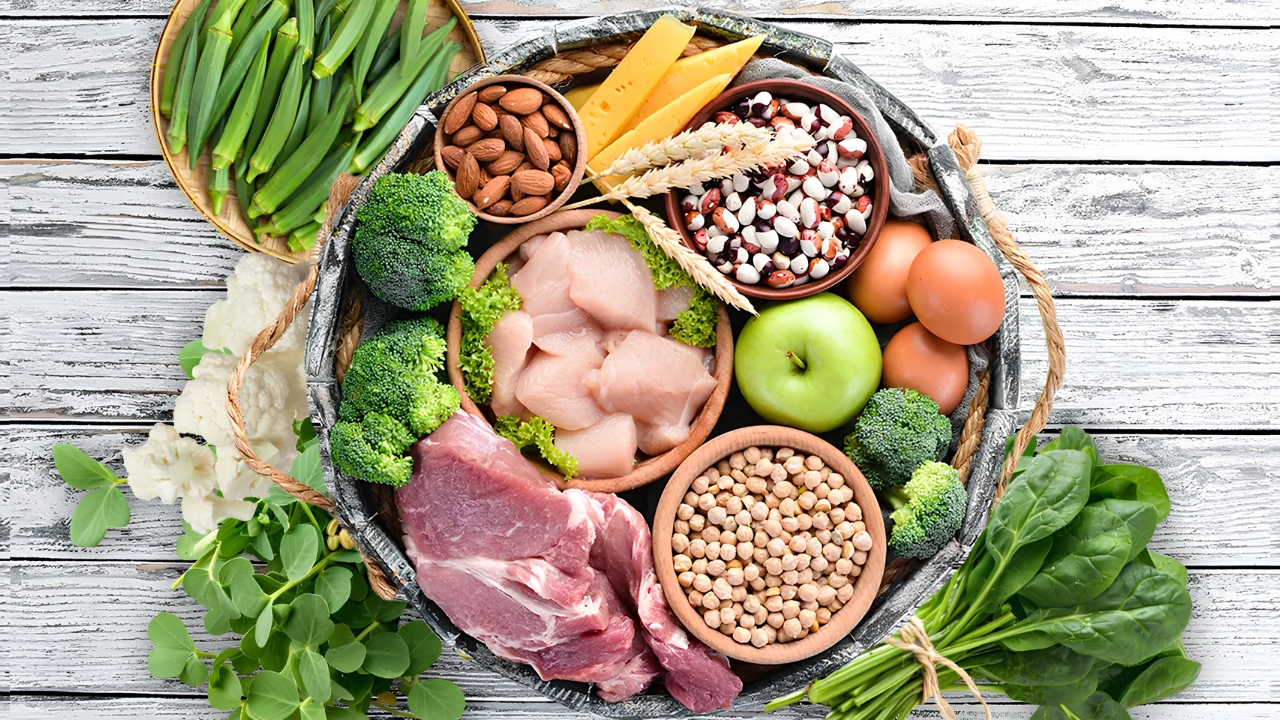
The best foods for weight loss are those that provide nutrition, promote fullness, and support healthy eating habits. Protein-rich foods such as eggs, chicken, fish, Greek yogurt, and legumes help control hunger, while fruits, vegetables, whole grains, and healthy fats contribute essential nutrients and long-lasting satisfaction. Sustainable weight loss comes from consistently choosing wholesome foods rather than following restrictive diets. By building meals around nutrient-dense ingredients, individuals can achieve healthier and more lasting weight-loss results while improving overall wellness.
Disclaimer
This article is intended for informational and educational purposes only. It should not be considered medical, nutritional, or professional health advice. Individual dietary needs and weight-loss results may vary depending on age, medical conditions, activity levels, and personal circumstances. Always consult a qualified healthcare professional or registered dietitian before making significant dietary changes or beginning a weight-loss program.