Losing weight often sounds simple in theory: eat fewer calories than you burn. However, daily life can make this goal difficult. Busy schedules, unexpected cravings, takeout temptations, and lack of planning often lead people to make food choices that don’t align with their weight-loss goals. This is where meal prepping becomes a powerful tool.
Meal prepping involves planning, preparing, and portioning meals in advance. Instead of wondering what to eat when hunger strikes, you already have nutritious meals ready to go. This strategy not only saves time and money but also helps you stay consistent with healthy eating habits.
When done correctly, meal prep can reduce overeating, prevent impulsive food choices, and make weight loss more manageable. The key is creating balanced meals that are satisfying, nutritious, and easy to prepare.
Why Meal Prep Works for Weight Loss
One of the biggest challenges during weight loss is maintaining consistency. Many people eat healthy meals for a few days but struggle when life becomes hectic.
Meal prep eliminates much of the guesswork. When healthy meals are already prepared, you’re less likely to reach for high-calorie convenience foods.
Benefits of meal prepping for weight loss include:
- Better portion control
- Reduced calorie intake
- Less dependence on fast food
- Improved nutritional balance
- Time savings during the week
- Lower grocery expenses
- Increased dietary consistency
Having a plan in place makes healthy eating easier and more sustainable.
Start with a Realistic Plan
Successful meal prep begins with realistic expectations. Trying to prepare every meal for an entire month can feel overwhelming.
Instead, focus on preparing meals for three to five days at a time. This approach keeps food fresh and makes the process more manageable.
Before shopping, ask yourself:
- How many meals do I need?
- Which days will be busiest?
- What foods do I genuinely enjoy?
- How much cooking time do I have?
Building a practical plan increases the chances that you’ll stick with it.
Focus on Balanced Meals
Weight-loss meal prep should emphasize balance rather than extreme restriction.
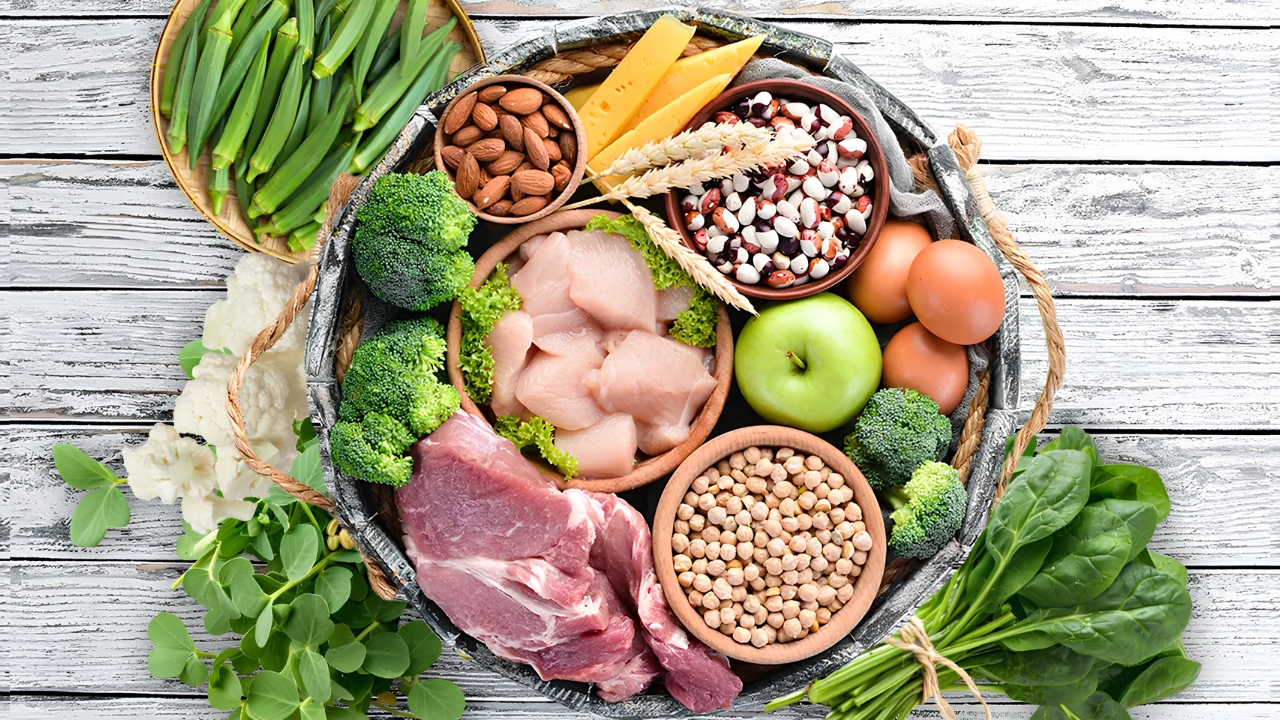
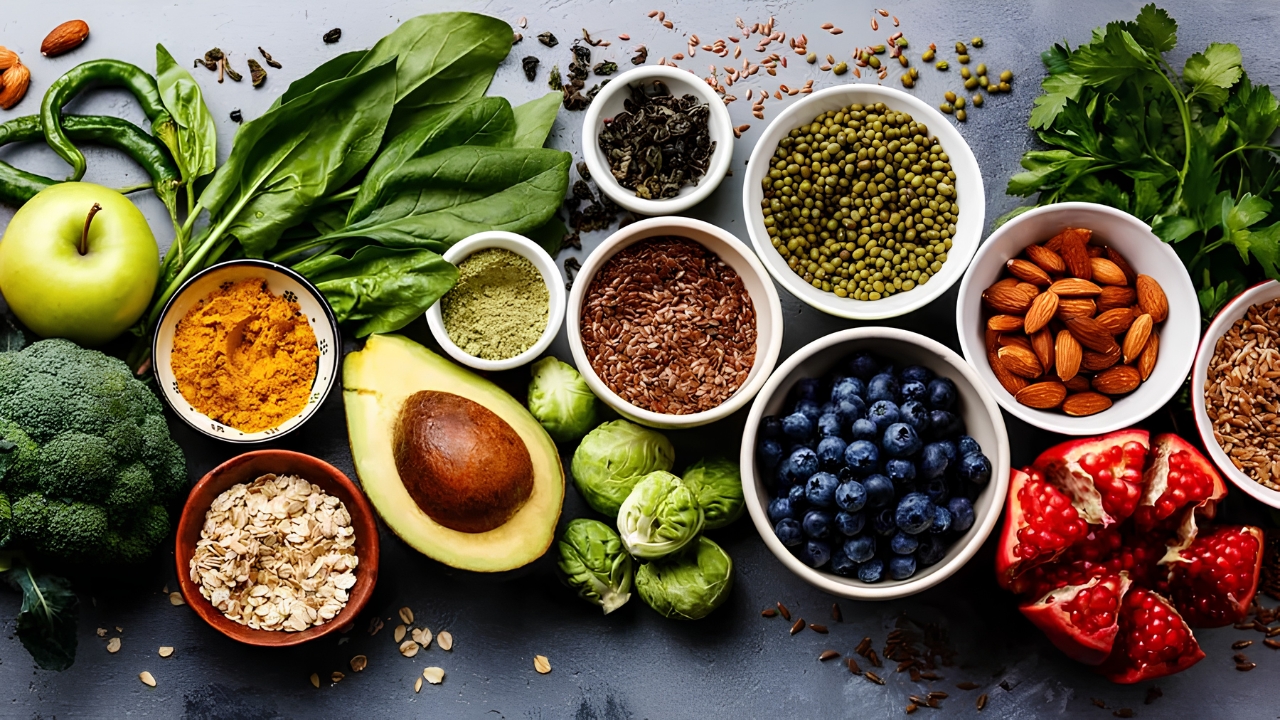
A balanced meal typically includes:
Lean Protein
Protein helps preserve muscle mass and increases feelings of fullness.
Examples include:
- Chicken breast
- Turkey
- Fish
- Eggs
- Greek yogurt
- Tofu
- Lentils
- Beans
Complex Carbohydrates
Healthy carbohydrates provide energy and help support exercise performance.
Examples include:
- Brown rice
- Quinoa
- Oats
- Sweet potatoes
- Whole grains
- Beans
Vegetables
Vegetables provide fiber, vitamins, minerals, and volume without excessive calories.
Examples include:
- Broccoli
- Spinach
- Bell peppers
- Carrots
- Green beans
- Zucchini
- Cauliflower
Healthy Fats
Healthy fats contribute to satisfaction and support overall health.
Examples include:
- Avocados
- Nuts
- Seeds
- Olive oil
- Nut butters
Combining these components creates meals that support weight-loss goals while reducing hunger.
Essential Meal Prep Equipment
Having the right tools makes meal prep easier and more efficient.
Helpful items include:
- Reusable meal containers
- Glass storage containers
- Measuring cups
- Food scale
- Sharp kitchen knife
- Cutting board
- Slow cooker or pressure cooker
- Baking sheets
Organized storage helps maintain portion control and food freshness.
Grocery Shopping for Weight Loss Meal Prep
Smart grocery shopping is the foundation of successful meal preparation.
Create a shopping list based on your meal plan and stick to it whenever possible.
Prioritize:
- Fresh vegetables
- Fruits
- Lean proteins
- Whole grains
- Low-fat dairy products
- Healthy fats
Limit purchasing highly processed snacks that can trigger overeating.
Shopping with a plan reduces impulse purchases and helps keep your kitchen stocked with healthy options.
Meal Prep Breakfast Ideas
Breakfast can set the tone for the entire day. Preparing breakfast ahead of time helps avoid skipping meals or grabbing unhealthy alternatives.
Overnight Oats
Ingredients:
- Rolled oats
- Greek yogurt
- Milk
- Chia seeds
- Fresh berries
Combine ingredients in containers and refrigerate overnight. This high-fiber breakfast is convenient and filling.
Egg Muffins
Ingredients:
- Eggs
- Spinach
- Bell peppers
- Onions
Mix ingredients, pour into muffin tins, and bake until firm. Store in the refrigerator for several days.
Protein Yogurt Cups
Ingredients:
- Greek yogurt
- Berries
- Chopped nuts
- Cinnamon
Prepare individual portions for quick grab-and-go breakfasts.
Meal Prep Lunch Ideas
Lunch is often where people struggle due to work schedules and limited time.
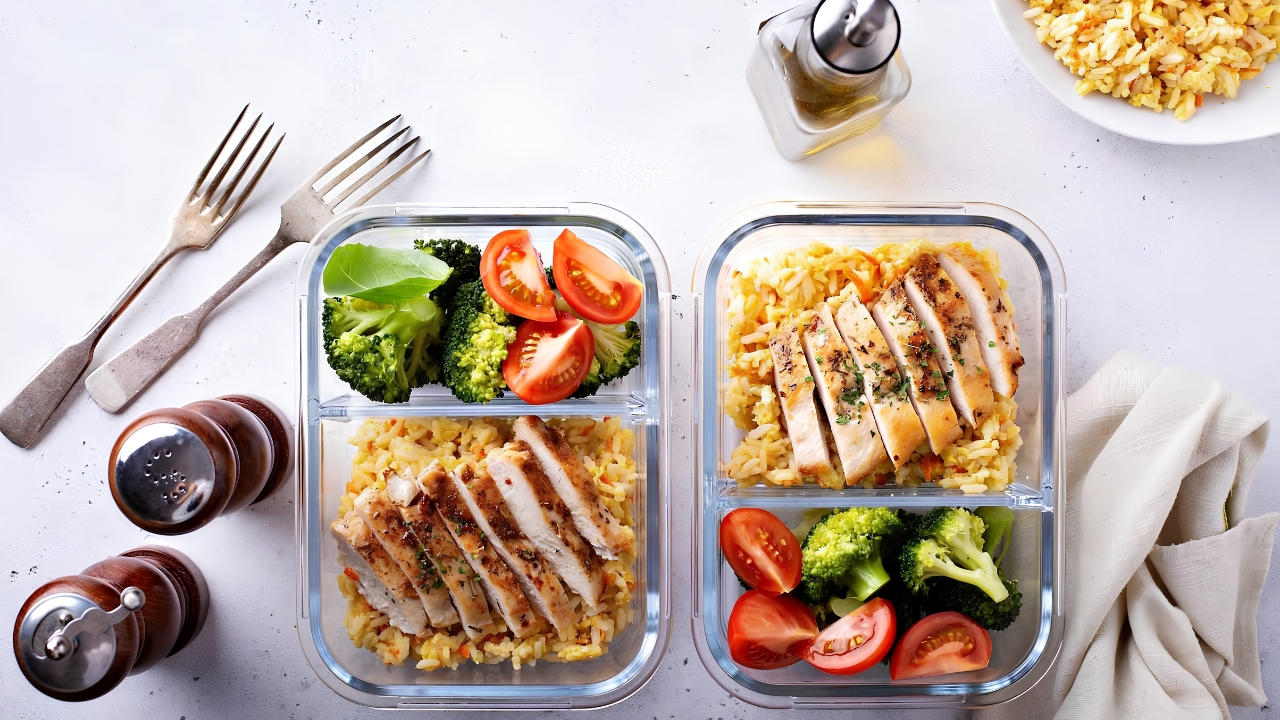
Grilled Chicken and Brown Rice Bowls
Ingredients:
- Grilled chicken breast
- Brown rice
- Steamed broccoli
- Carrots
Divide into containers for balanced lunches throughout the week.
Turkey and Vegetable Wraps
Ingredients:
- Whole wheat tortillas
- Lean turkey
- Lettuce
- Tomatoes
- Cucumbers
Wrap individually and store for quick meals.
Quinoa and Black Bean Salad
Ingredients:
- Quinoa
- Black beans
- Corn
- Bell peppers
- Lime juice
This fiber-rich option works well for meal prep and remains fresh for several days.
Meal Prep Dinner Ideas
Healthy dinners help prevent evening overeating and unnecessary snacking.
Baked Salmon with Vegetables
Ingredients:
- Salmon fillets
- Asparagus
- Zucchini
- Olive oil
Bake everything together for a nutrient-rich meal.
Lean Turkey Stir-Fry
Ingredients:
- Ground turkey
- Mixed vegetables
- Brown rice
- Low-sodium seasonings
Prepare large batches and portion into containers.
Chicken Sweet Potato Bowls
Ingredients:
- Roasted chicken
- Sweet potatoes
- Green beans
This combination provides protein, fiber, and slow-digesting carbohydrates.
Healthy Snack Prep Ideas
Snacks can either support or sabotage weight-loss efforts.
Preparing healthy snacks in advance helps control portions and reduce cravings.
Veggie Snack Packs
Prepare containers filled with:
- Carrot sticks
- Cucumber slices
- Bell peppers
Pair with a small portion of hummus.
Hard-Boiled Eggs
Boil several eggs at once for a convenient protein-rich snack.
Fruit Portions
Prepare containers with:
- Apple slices
- Grapes
- Watermelon
- Berries
Pre-portioned fruit makes healthy snacking easier.
Mixed Nuts
Measure individual servings instead of eating directly from large containers.
This helps prevent excessive calorie intake.
Portion Control Strategies
Even healthy foods can contribute to weight gain if portions become excessive.
Simple portion-control techniques include:
- Using smaller containers
- Measuring ingredients
- Following serving recommendations
- Including vegetables in every meal
- Avoiding oversized portions of calorie-dense foods
Meal prep naturally encourages portion awareness, making calorie management easier.
Batch Cooking for Efficiency
Batch cooking involves preparing large quantities of food at once.
Examples include:
- Cooking several chicken breasts together
- Preparing a large pot of rice
- Roasting multiple trays of vegetables
- Making a large batch of soup
Once cooked, foods can be mixed and matched throughout the week to create different meals.
Batch cooking saves time while increasing dietary variety.
Avoiding Meal Prep Boredom
One common complaint about meal prep is eating the same food repeatedly.
To keep meals interesting:
- Use different seasonings
- Rotate protein sources
- Experiment with vegetables
- Change sauces and herbs
- Try new recipes regularly
Small variations can make a big difference in maintaining long-term consistency.
Common Meal Prep Mistakes
Many beginners make mistakes that reduce the effectiveness of meal prep.
Common issues include:
Preparing Too Much Food
Making excessive amounts can lead to food waste and boredom.
Ignoring Flavor
Healthy food should still be enjoyable. Use herbs, spices, garlic, and citrus to enhance taste.
Skipping Vegetables
Vegetables add volume and nutrients while helping control calorie intake.
Choosing Overly Complicated Recipes
Simple meals are easier to prepare consistently.
Lack of Variety
Repeating identical meals every day may reduce motivation.
Sample One-Day Weight Loss Meal Plan
Breakfast
Overnight oats with berries and chia seeds
Morning Snack
Hard-boiled eggs and cucumber slices
Lunch
Grilled chicken, brown rice, and steamed broccoli
Afternoon Snack
Greek yogurt with fresh fruit
Dinner
Baked salmon, roasted vegetables, and sweet potato
Evening Option
Herbal tea and a small piece of fruit if needed
This type of meal plan provides balanced nutrition while supporting calorie control.
Staying Consistent with Meal Prep
Weight loss is rarely about perfection. Consistency matters more than preparing every meal flawlessly.
Helpful strategies include:
- Scheduling meal prep on the same day each week
- Keeping recipes simple
- Preparing favorite healthy meals
- Tracking progress
- Being flexible when needed
The more routine meal prep becomes, the easier healthy eating feels.
Long-Term Benefits Beyond Weight Loss
Meal prep offers advantages that extend beyond the number on the scale.
Benefits may include:
- Improved nutrition
- Better energy levels
- Reduced stress around meals
- Enhanced cooking skills
- Greater financial savings
- Healthier eating habits
These improvements can contribute to long-term wellness and a healthier relationship with food.
Final Verdict
Meal prepping is one of the most effective strategies for achieving and maintaining weight loss. By planning meals ahead of time, controlling portions, and focusing on nutritious ingredients, you can reduce unhealthy food choices and stay consistent with your goals. Whether preparing simple breakfasts, balanced lunches, satisfying dinners, or healthy snacks, meal prep helps create a structured approach to eating that supports lasting results. With a little planning and preparation, healthy eating can become easier, more convenient, and far more sustainable.
Disclaimer
This article is intended for informational and educational purposes only and should not be considered medical or nutritional advice. Individual calorie and nutrient requirements vary based on age, gender, activity level, and health conditions. Consult a qualified healthcare professional or registered dietitian before making significant dietary changes or beginning a weight-loss program.